While writing has been around for several thousand years, and movable type has been used in printing European languages since Johannes Gutenberg invented the printing press in 1440, the typewriter—a mechanic device using type similar to the moving type used in printing—wasn’t introduced until 1873.
In Milwaukee, newspaperman Christopher Latham Sholes (1819-1990) developed the first practical typewriter in 1867 and received the patent for it in 1868. The first commercial model, which was mounted on a sewing machine stand, was manufactured in 1873. The Sholes & Glidden (S&G) machine typed only in capital letters and introduced the QWERTY keyboard.
The S&G machine was manufactured in the sewing machine department of the Remington Arms Company. Sholes envisioned the market for his machine as the clergy and perhaps “men of letters.”
The first QWERTY keyboard typewriter to include both upper and lower case using a shift key was the 1878 Remington No. 2. One popular explanations of the QWERTY layout is that it reduced the likelihood of internal clashing of typebars which caused the typewriter jam. In the QWERTY layout, the most commonly used combinations of letters are farther from each other inside the typewriter.
By the end of the nineteenth century, the typewriter was a common machine in most commercial offices. During the twentieth century, high schools offered typing classes and typing was considered a critical skill in many professions. After 1980, typewriters began to be replaced by word processing computers.
One example of the importance of the typewriter in creative writing can be seen in Mourning Dove, the first American Indian woman novelist. While living in Portland, Oregon in 1912, she began working on her novel and the idea of becoming a writer began to grow. In order to pursue her goal of becoming a writer, she briefly attended the Calgary Business School in Alberta, Canada so that she could learn to type.
Shown below are some museum exhibits featuring typewriters.
Polson Flathead Lake Museum, Polson, Montana
 Shown above is a 1912 Oliver Typewriter.
Oliver Typewriter was founded in 1895 and was dissolved in 1928. Oliver produced more than a million machines, marketed primarily for home use.
 The typewriter shown above was in the Fire Department exhibit.
Cowlitz County Historical Museum, Kelso, Washington
 Shown above is a 1910 typewriter.
La Center Historic Museum, La Center, Washington


Wallace Historic Mining Museum, Wallace, Idaho


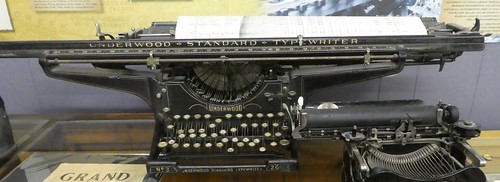
Shoshone County Mining and Smelting Museum, Kellogg, Idaho
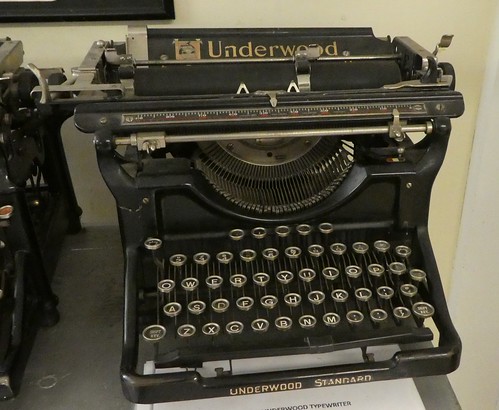
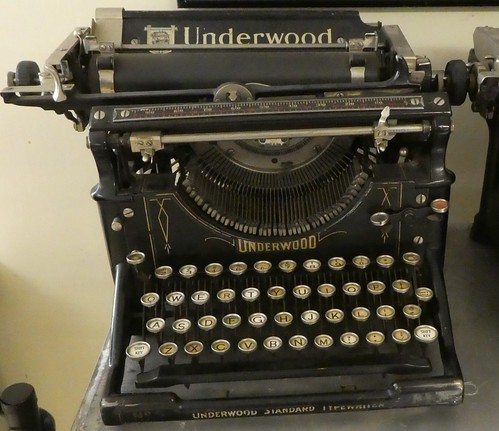
Quincy Valley Historical Society Museum, Quincy, Washington

Canal Supervisor’s Office, Carillon Historical Park, Dayton, Ohio

Dayton Sales Building, Carillon Historical Park, Dayton, Ohio


Wright Cycle Company, Carillon Historical Park, Dayton, Ohio
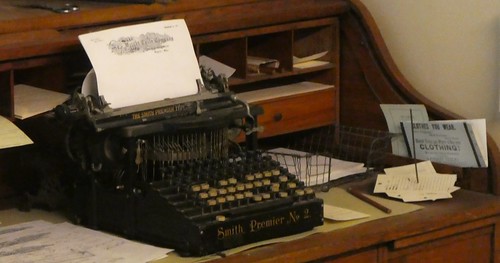
Carillon Historical Park, Dayton, Ohio

Pioneer Village, Cashmere, Washington

Museum of Mental Health, Salem, Oregon

Lake Chelan Historical Society Museum, Chelan, Washington


Campbell House, Spokane, Washington
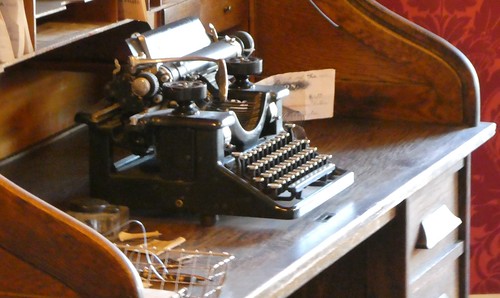
Northern Pacific Depot Museum, Wallace, Idaho


San Bernardino County Museum, Redlands, California
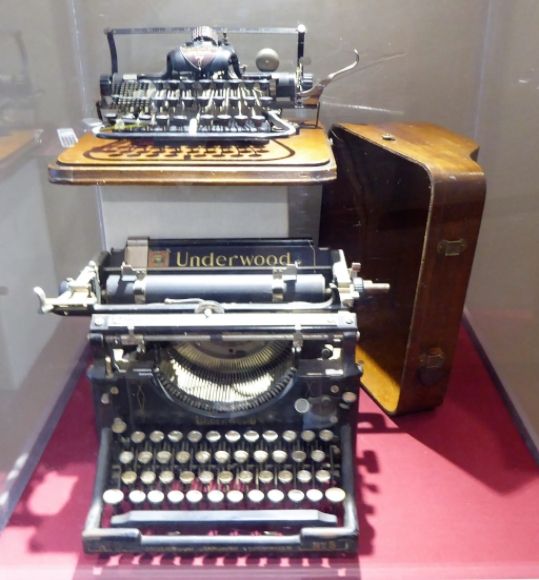
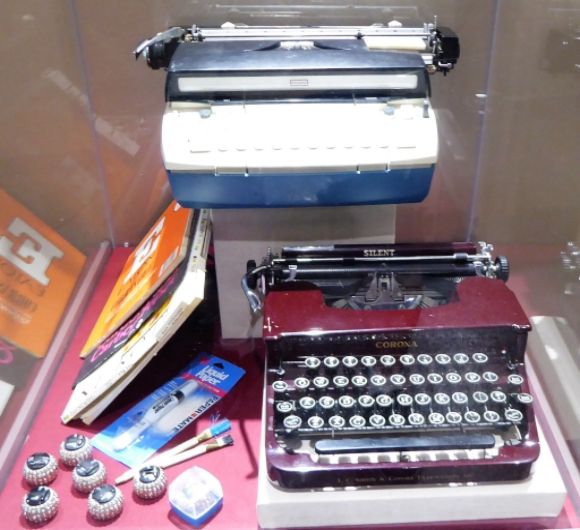
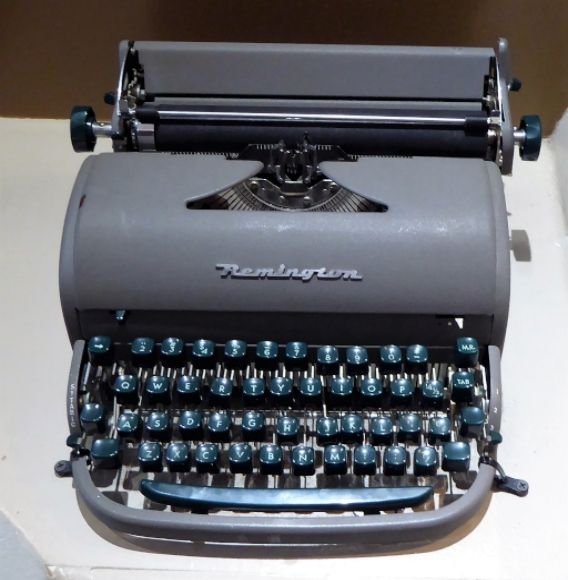
East Benton County Museum, Kennewick, Washington
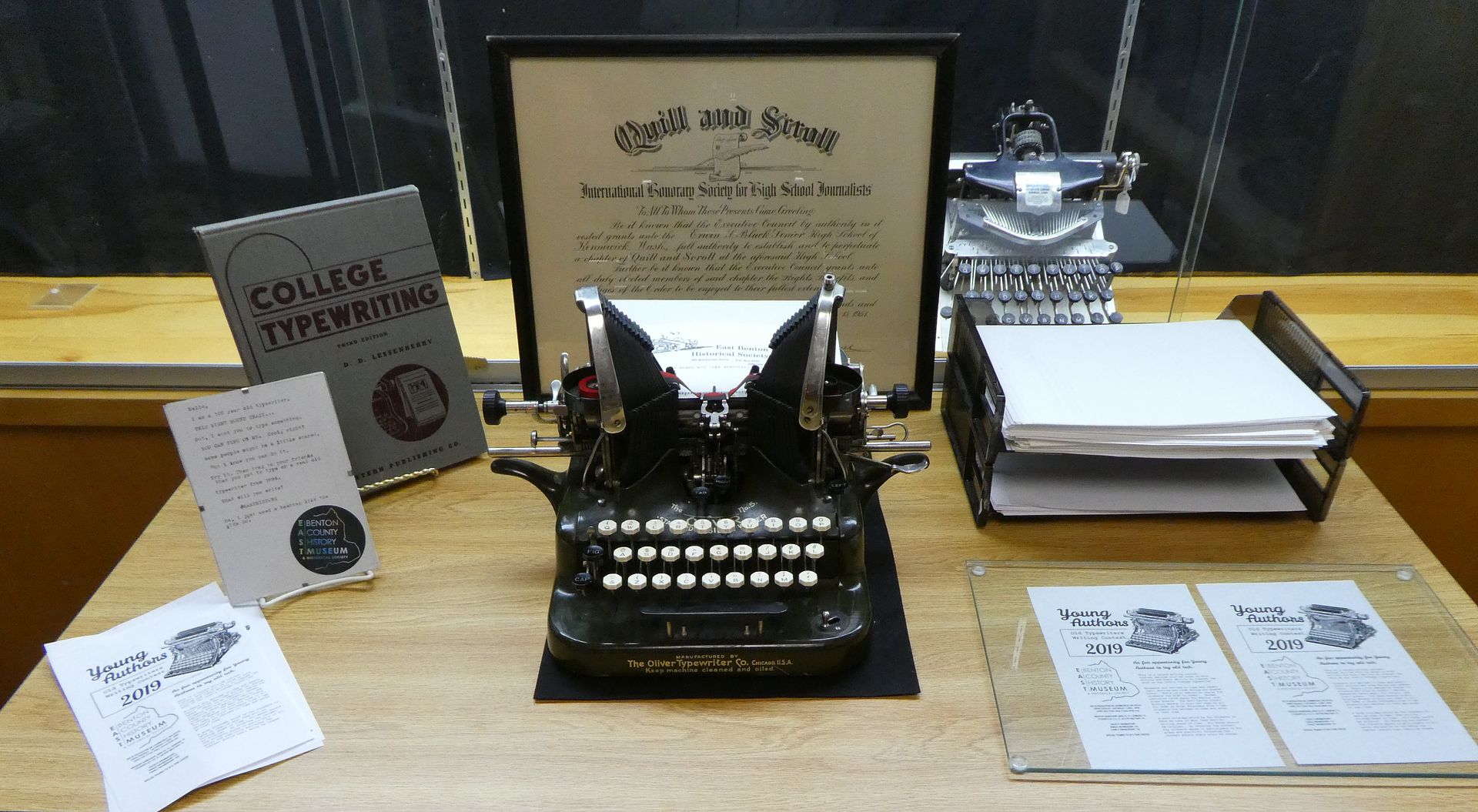
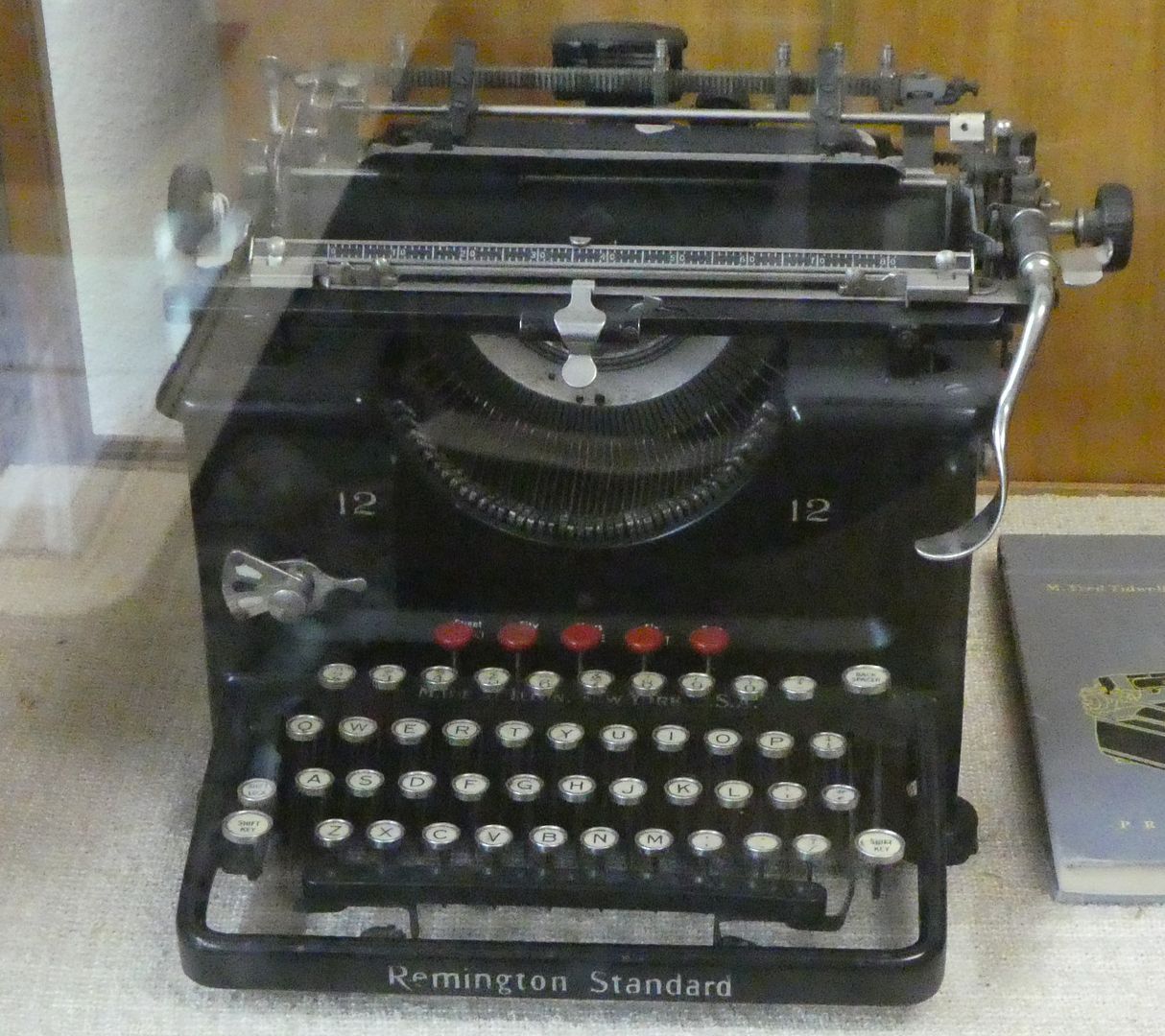
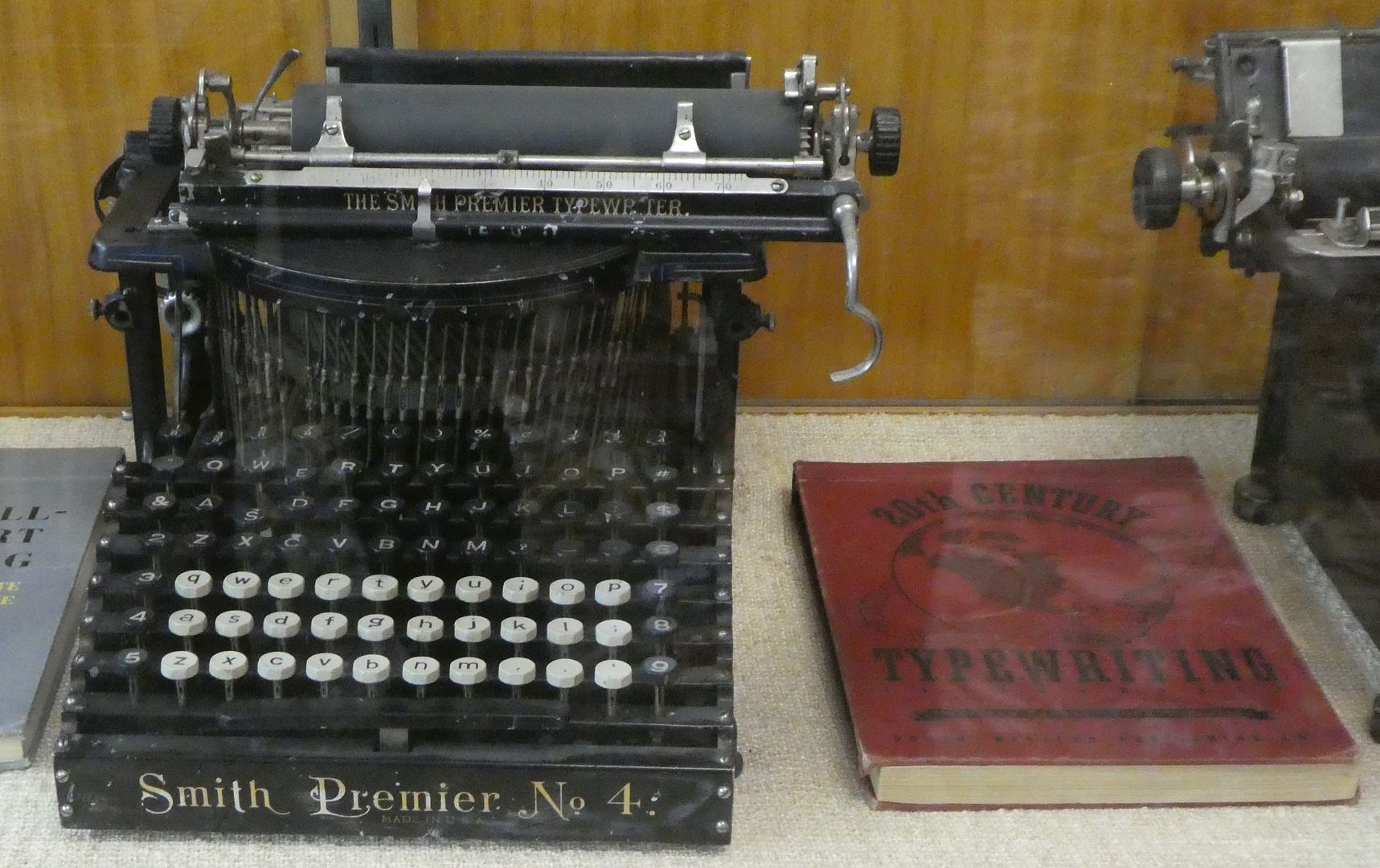
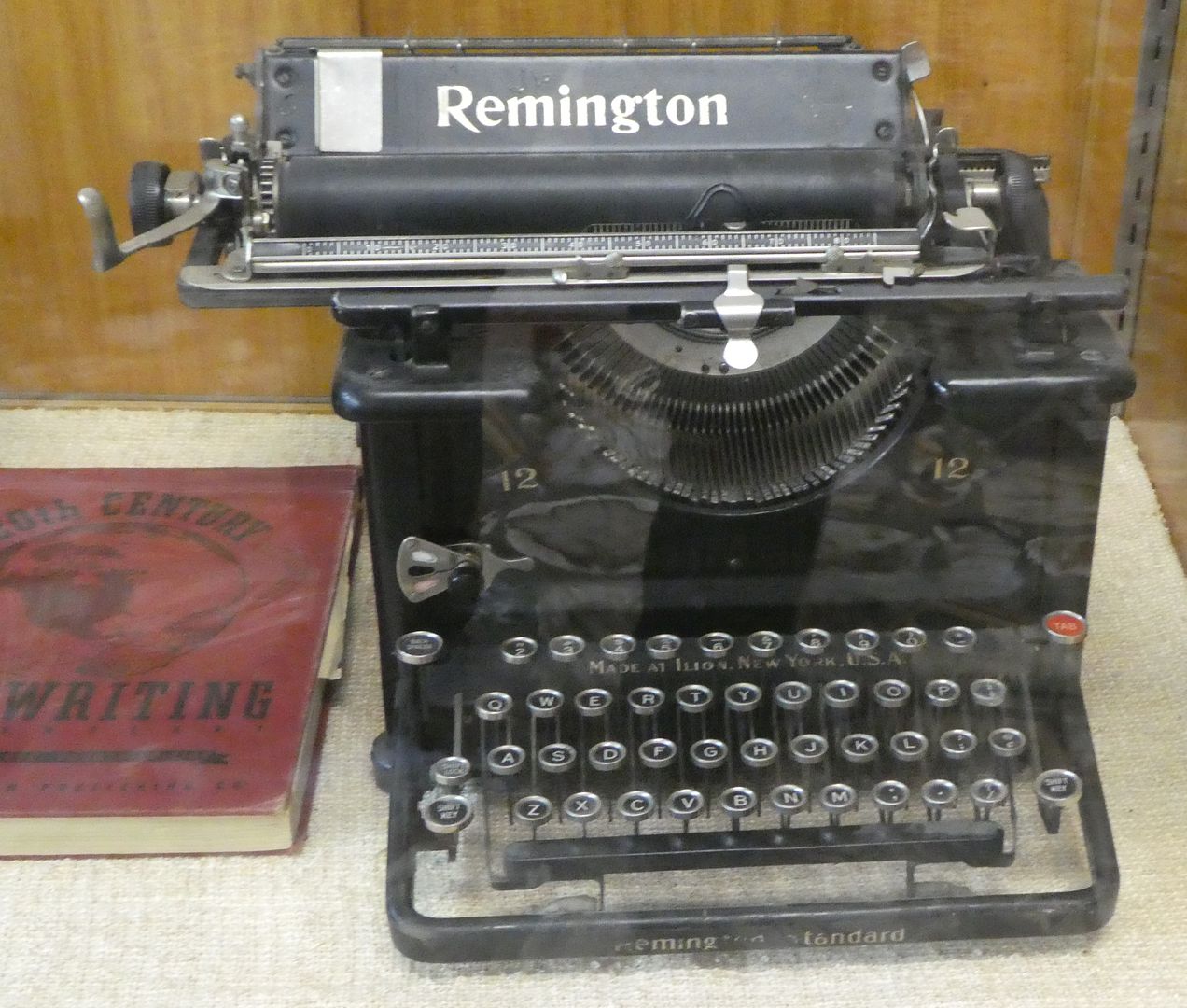
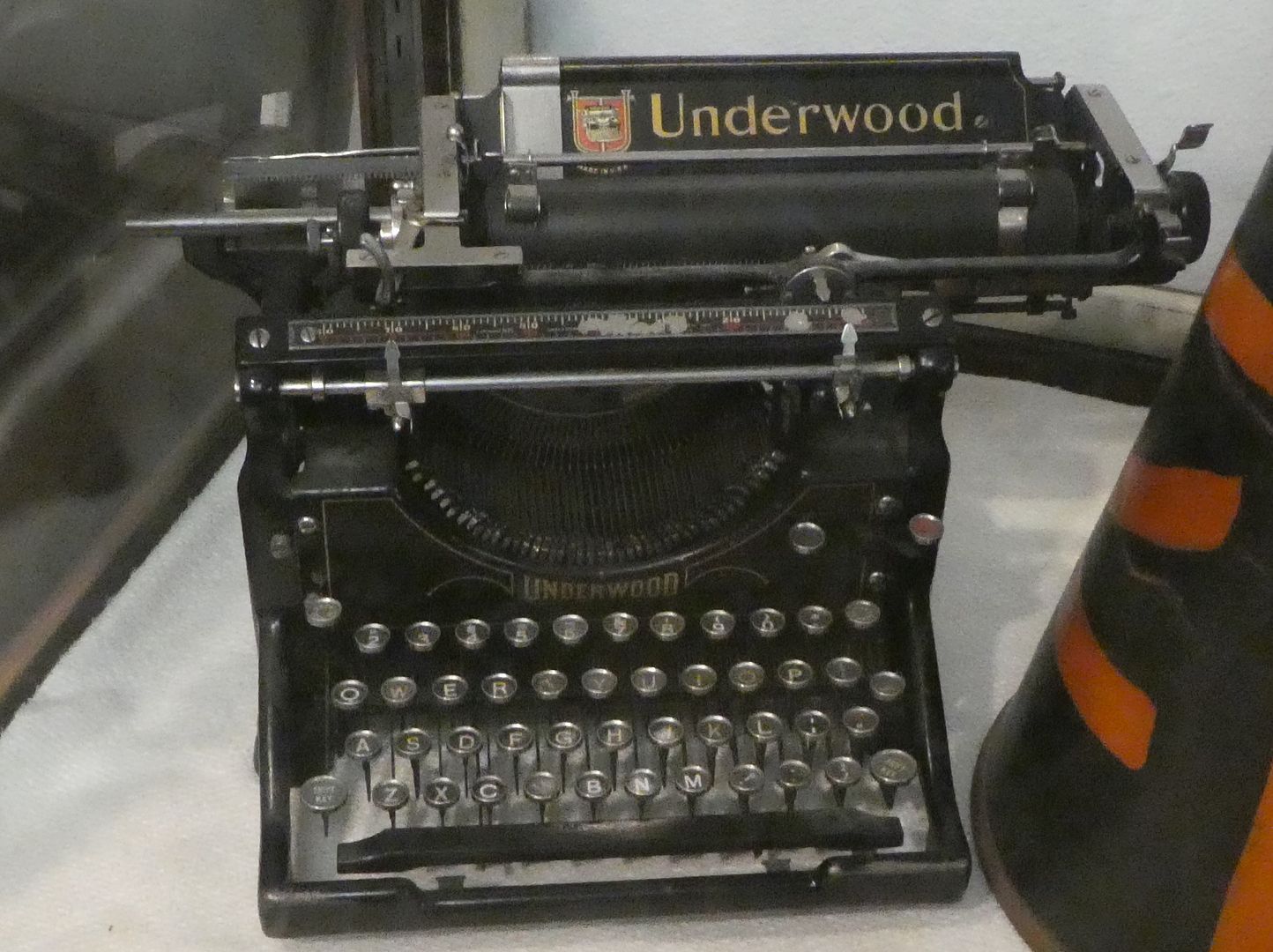
Deschutes Historical Museum, Bend, Oregon
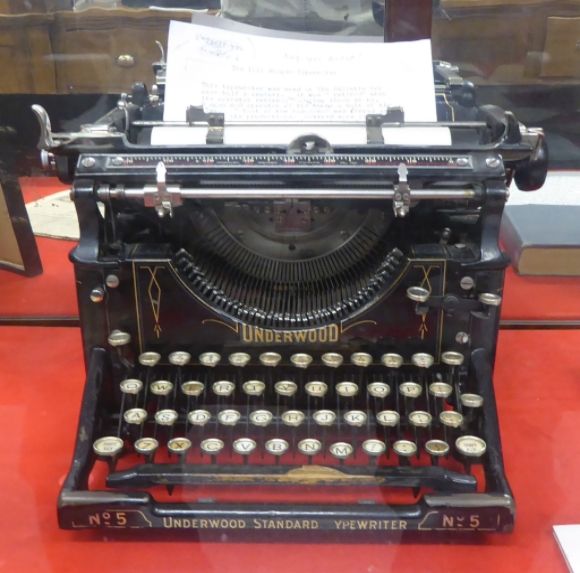 Shown above is an Underwood typewriter. This typewriter saw over 50 years of use at the local newspaper.
Poulsbo, Washington, Historical Society Museum

Wenatchee Valley Museum, Wenatchee, Washington
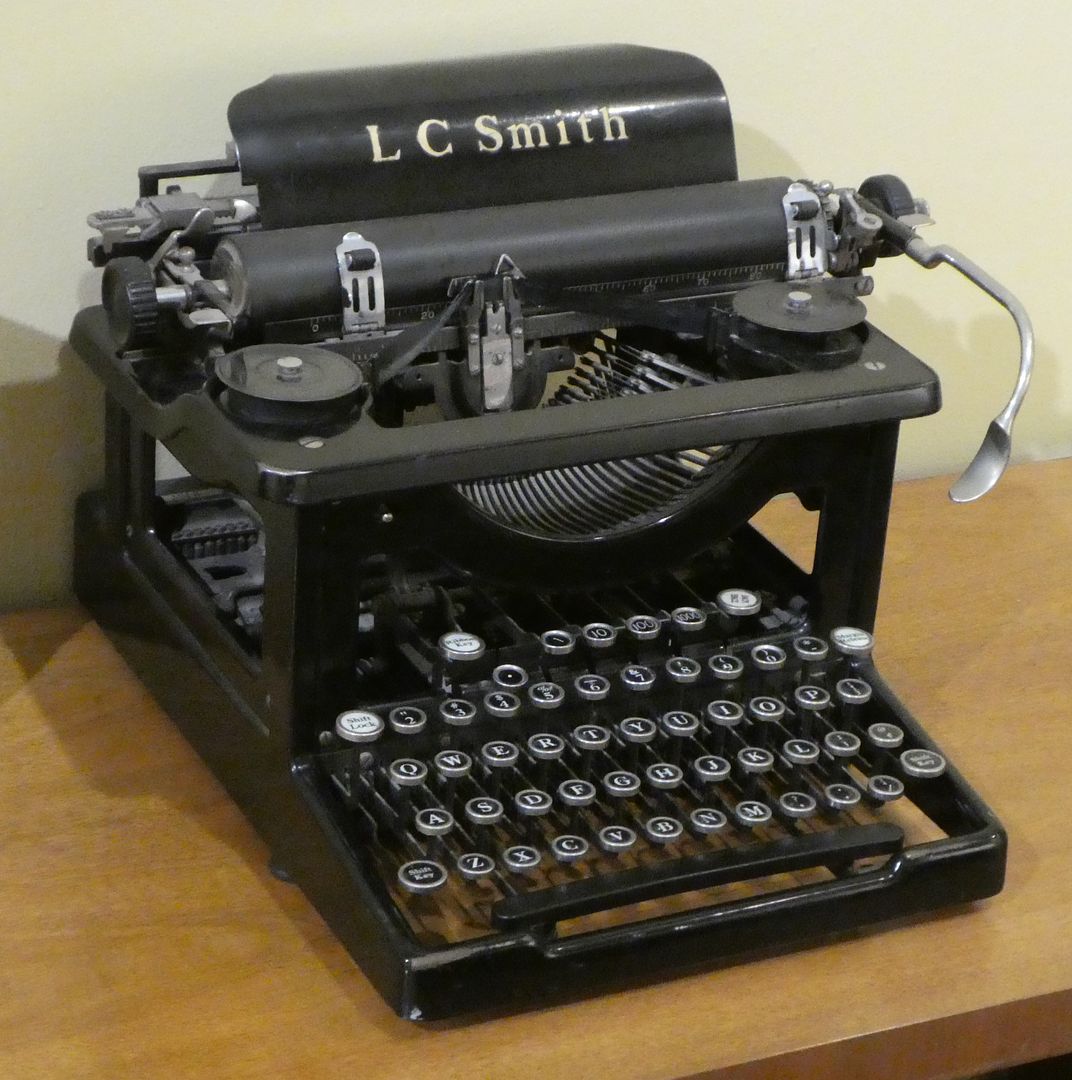
Rocky Mountain Museum of Military History, Missoula, Montana

Missoula Smokejumper Base, Missoula, Montana
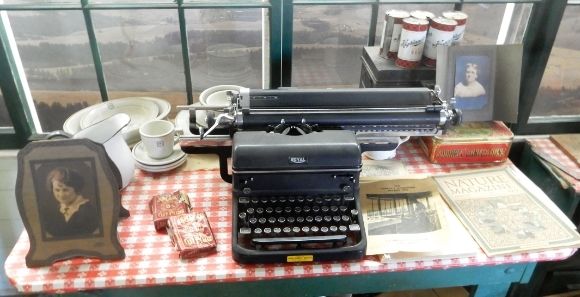
Old Montana Prison, Deer Lodge, Montana

More Museums
This series compares similar exhibits in several museums.
Museums 501: Schools (photo diary)
Museums 501: Kitchens (photo diary)
Museums 501: Wood-fired kitchen ranges (photo diary)
Museums 501: Blacksmith Shop (photo diary)
Museums 401: Hats (photo diary)
Museums 401: Dinnerware (photo diary)
Museums 301: Bathrooms (photo diary)
Museums 301: Telephone switchboards (photo diary)